
The Story Behind Unbound Horizons
The Story Behind Unbound Horizons
The Story Behind Unbound Horizons
The Story Behind Unbound Horizons
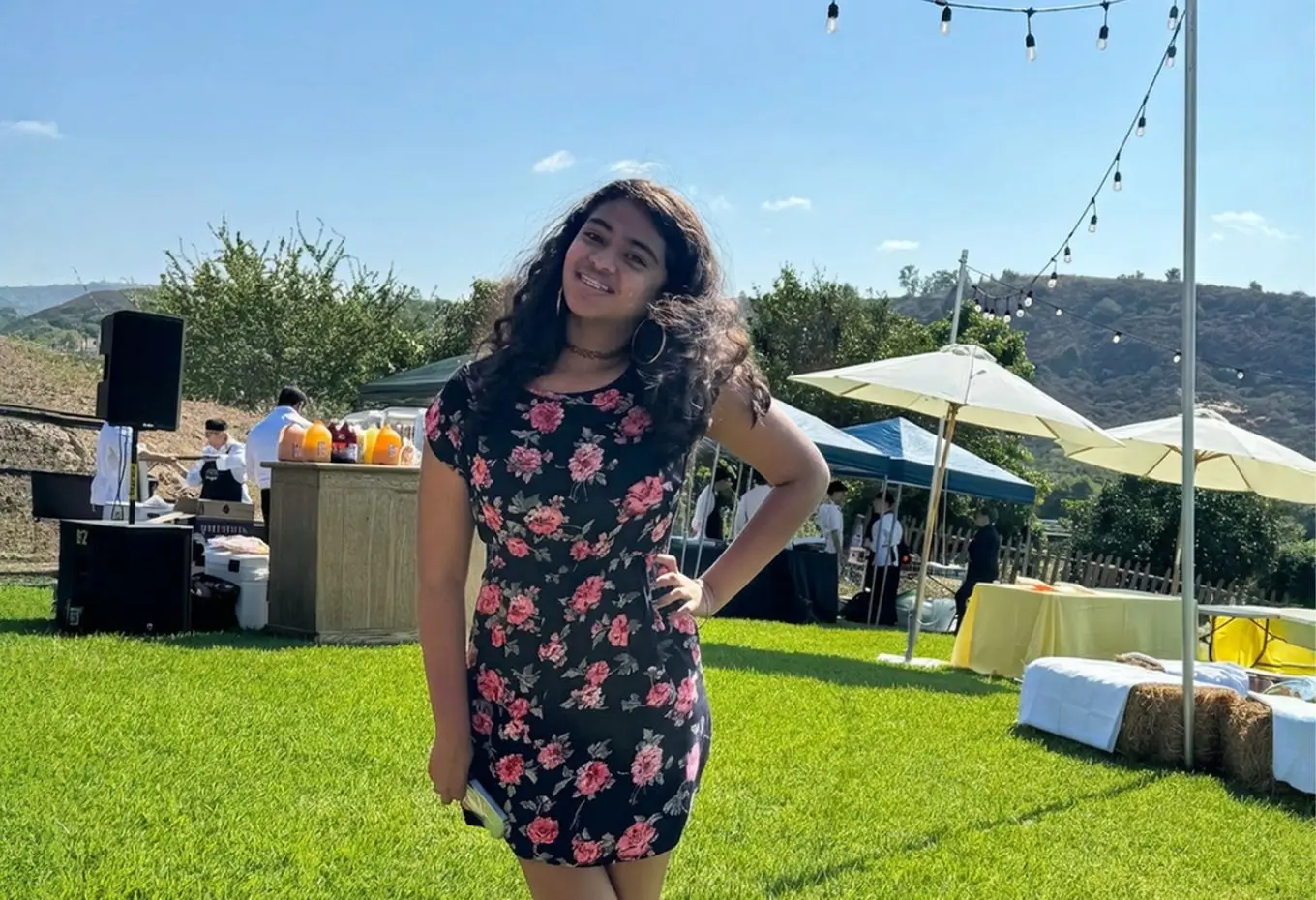
Our story is one of resilience, courage, and an unshakeable fight to move again.
Our story is one of resilience, courage, and an unshakeable fight to move again.
Our story is one of resilience, courage, and an unshakeable fight to move again.
When she was just four years old, a small weakness in her right side caught a family friend’s attention. What seemed like something tiny led to tests, scans, and a diagnosis that changed everything: a pilocytic astrocytoma deep in her brain, affecting the very parts that control movement and coordination.
In an instant, Aditi’s world shifted from preschool routines to neurosurgeons, MRI machines, and a long, complex brain surgery. Although most of the tumor was removed, her recovery was only beginning. After surgery, her right side was extremely weak. She had to relearn everything how to sit without falling over, how to stand without wobbling, and how to take even one careful step. Her right hand lost strength and fine motor control, making it difficult to hold a toy, write, or grasp everyday objects.
When she was just four years old, a small weakness in her right side caught a family friend’s attention. What seemed like something tiny led to tests, scans, and a diagnosis that changed everything: a pilocytic astrocytoma deep in her brain, affecting the very parts that control movement and coordination.
In an instant, Aditi’s world shifted from preschool routines to neurosurgeons, MRI machines, and a long, complex brain surgery. Although most of the tumor was removed, her recovery was only beginning. After surgery, her right side was extremely weak. She had to relearn everything how to sit without falling over, how to stand without wobbling, and how to take even one careful step. Her right hand lost strength and fine motor control, making it difficult to hold a toy, write, or grasp everyday objects.
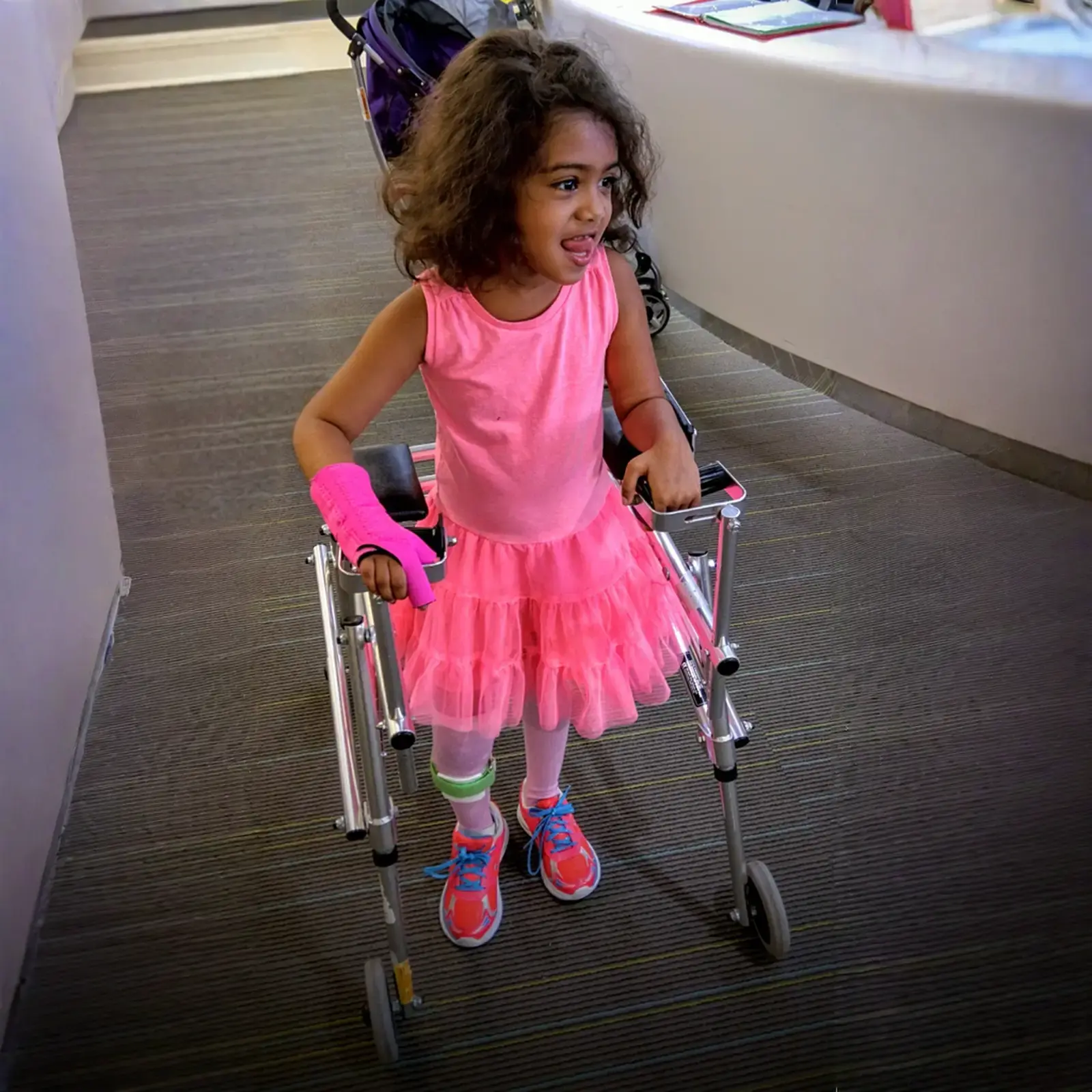
Assistive devices became part of her daily life, hand braces, electrical stimulation, night splints, and leg supports. They weren’t optional; they were what made it possible for her to return to school, play with friends, and fully participate in life again.
Assistive devices became part of her daily life, hand braces, electrical stimulation, night splints, and leg supports. They weren’t optional; they were what made it possible for her to return to school, play with friends, and fully participate in life again.
For six intense weeks, Aditi lived at Spaulding Rehabilitation Hospital in Boston, working through daily physical and occupational therapy. Each session pushed her to rebuild what she had lost: core strength to sit up, balance to stand, weight-bearing to walk, and countless exercises to help her right hand move again. When she finally left inpatient rehab, the work didn’t stop. She continued outpatient therapy for years fitting it around school, appointments, and scans. Even now, more than a decade later, therapy remains a part of her life.
For six intense weeks, Aditi lived at Spaulding Rehabilitation Hospital in Boston, working through daily physical and occupational therapy. Each session pushed her to rebuild what she had lost: core strength to sit up, balance to stand, weight-bearing to walk, and countless exercises to help her right hand move again. When she finally left inpatient rehab, the work didn’t stop. She continued outpatient therapy for years fitting it around school, appointments, and scans. Even now, more than a decade later, therapy remains a part of her life.
Assistive devices became part of her daily life, hand braces, electrical stimulation, night splints, and leg supports. They weren’t optional; they were what made it possible for her to return to school, play with friends, and fully participate in life again.
Assistive devices became part of her daily life, hand braces, electrical stimulation, night splints, and leg supports. They weren’t optional; they were what made it possible for her to return to school, play with friends, and fully participate in life again.
For six intense weeks, Aditi lived at Spaulding Rehabilitation Hospital in Boston, working through daily physical and occupational therapy. Each session pushed her to rebuild what she had lost: core strength to sit up, balance to stand, weight-bearing to walk, and countless exercises to help her right hand move again. When she finally left inpatient rehab, the work didn’t stop. She continued outpatient therapy for years fitting it around school, appointments, and scans. Even now, more than a decade later, therapy remains a part of her life.
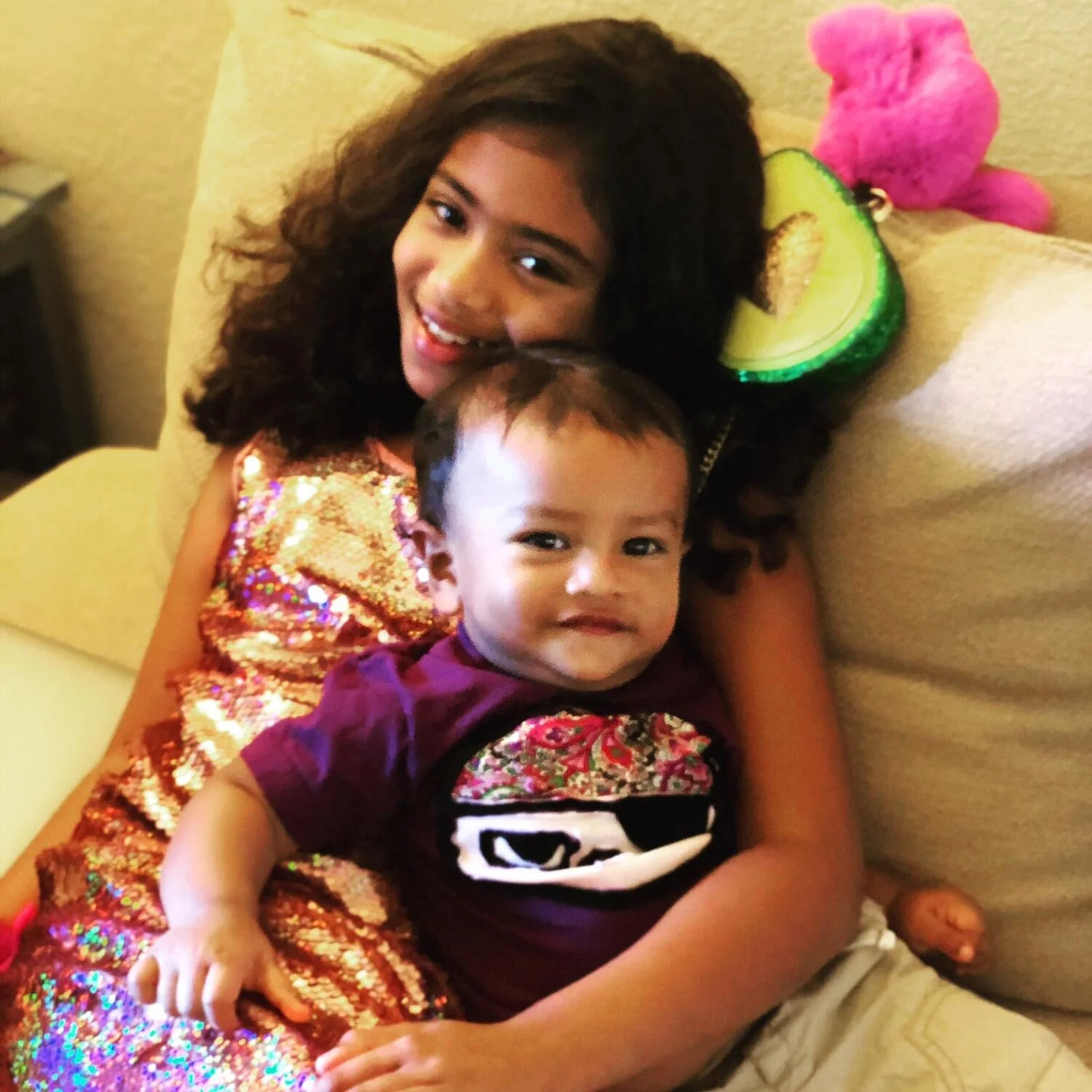
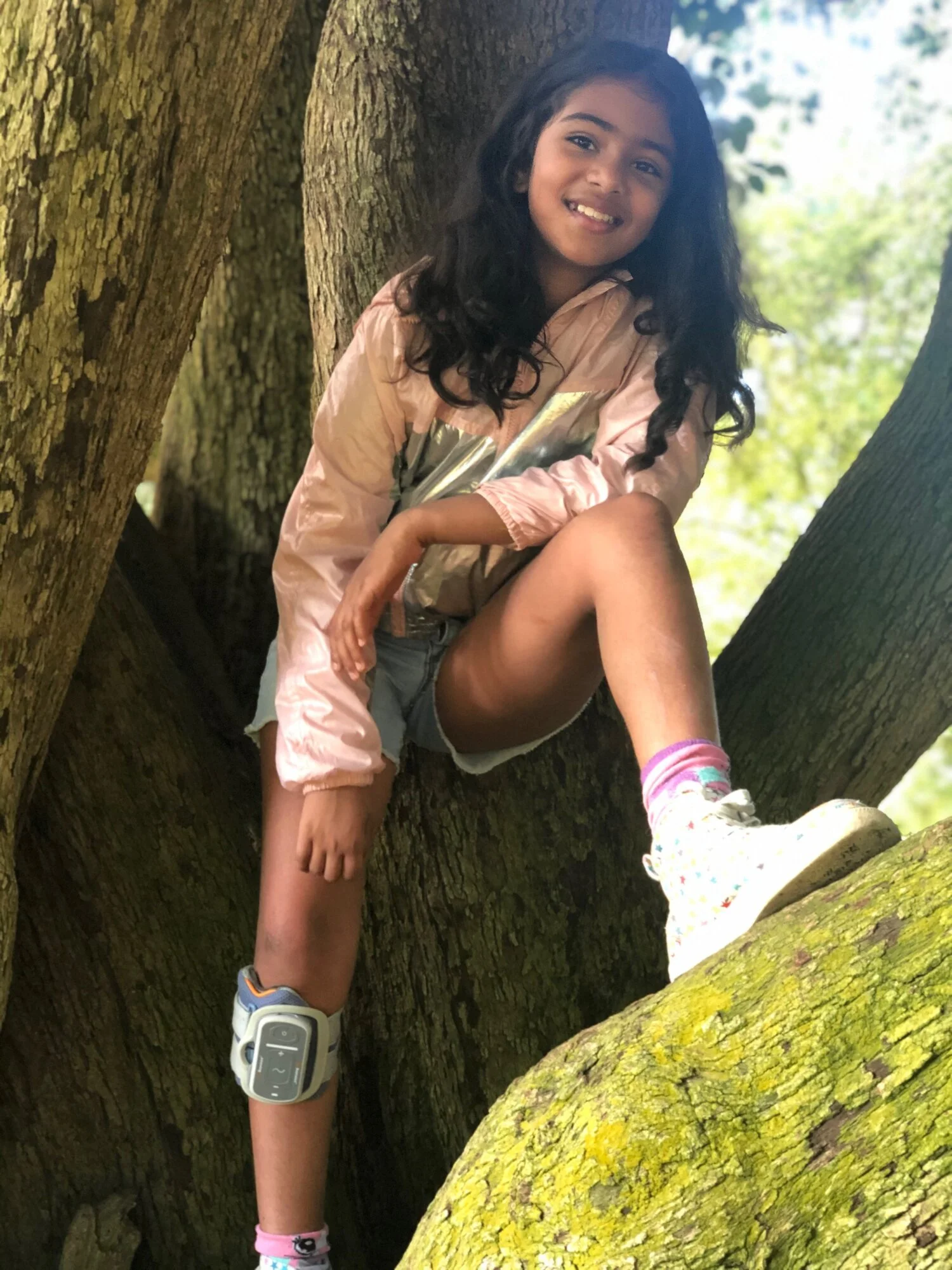
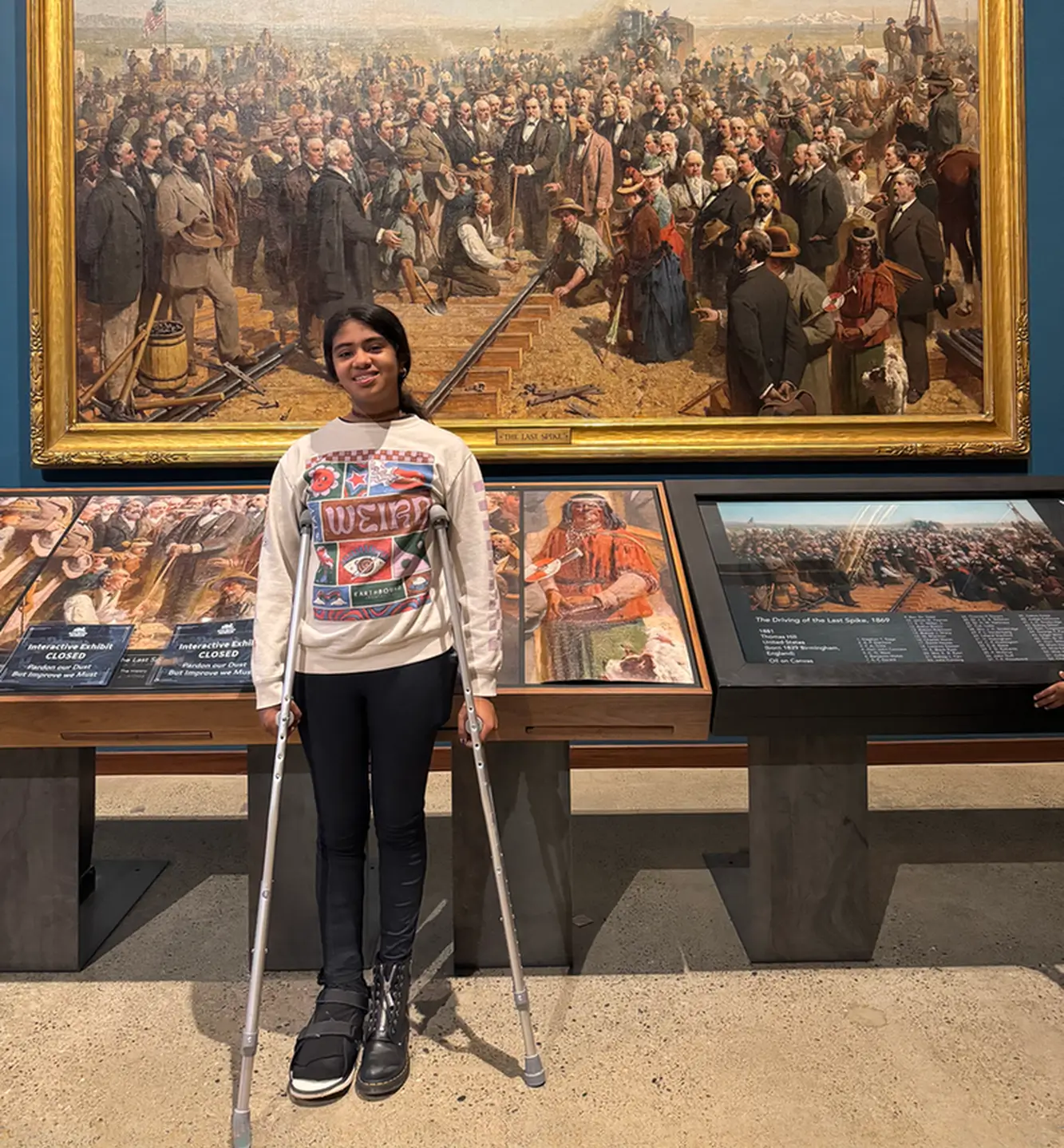
In January 2024, Aditi faced limb-lengthening surgery to address the impact of her condition on her leg. The procedure meant starting over once more. She spent months in a wheelchair, followed by months on crutches. And again, she learned how to navigate the world differently how to move, balance, and adapt with a changing body.
In January 2024, Aditi faced limb-lengthening surgery to address the impact of her condition on her leg. The procedure meant starting over once more. She spent months in a wheelchair, followed by months on crutches. And again, she learned how to navigate the world differently how to move, balance, and adapt with a changing body.
In January 2024, Aditi faced limb-lengthening surgery to address the impact of her condition on her leg. The procedure meant starting over once more. She spent months in a wheelchair, followed by months on crutches. And again, she learned how to navigate the world differently how to move, balance, and adapt with a changing body.
In January 2024, Aditi faced limb-lengthening surgery to address the impact of her condition on her leg. The procedure meant starting over once more. She spent months in a wheelchair, followed by months on crutches. And again, she learned how to navigate the world differently how to move, balance, and adapt with a changing body.
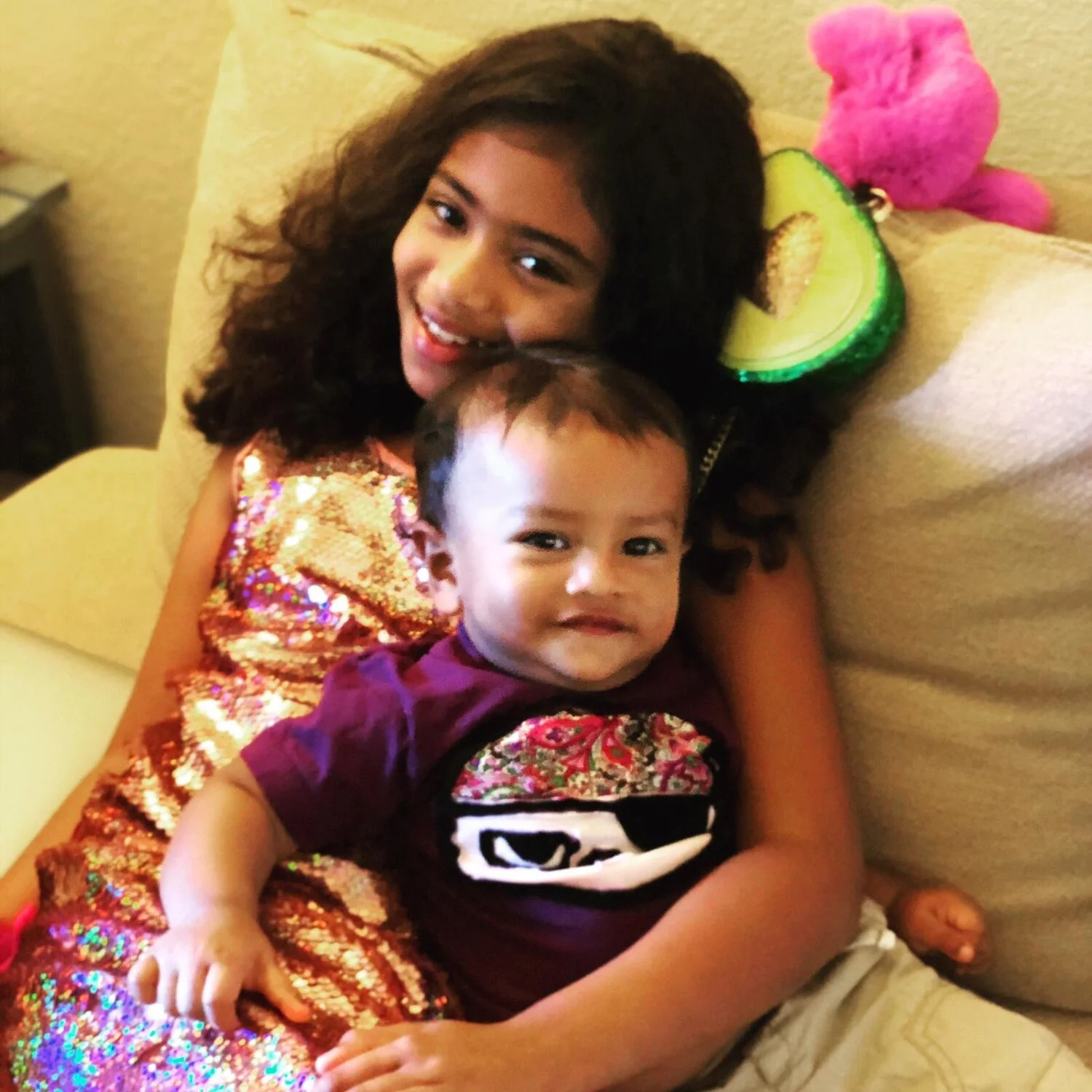
Through every setback, Aditi pushed forward with quiet determination. Her story is not defined by a diagnosis, but by her courage to keep trying relearning movement, rebuilding strength inch by inch, and never allowing her challenges to erase her hope.
Through every setback, Aditi pushed forward with quiet determination. Her story is not defined by a diagnosis, but by her courage to keep trying relearning movement, rebuilding strength inch by inch, and never allowing her challenges to erase her hope.
That realization shaped her heart. After all she endured, Aditi wanted to help other kids rise, move, participate, and find hope. Her story is defined not by diagnosis, but by courage, relearning movement, rebuilding strength, and never letting challenges erase hope. Now, that courage drives her to light the path for others on the journey she knows so well.
That realization shaped her heart. After all she endured, Aditi wanted to help other kids rise, move, participate, and find hope. Her story is defined not by diagnosis, but by courage, relearning movement, rebuilding strength, and never letting challenges erase hope. Now, that courage drives her to light the path for others on the journey she knows so well.
Our story is one of resilience, courage, and an unshakeable fight to move again.
When she was just four years old, a small weakness in her right side caught a family friend’s attention. What seemed like something tiny led to tests, scans, and a diagnosis that changed everything: a pilocytic astrocytoma deep in her brain, affecting the very parts that control movement and coordination.
In an instant, Aditi’s world shifted from preschool routines to neurosurgeons, MRI machines, and a long, complex brain surgery. Although most of the tumor was removed, her recovery was only beginning. After surgery, her right side was extremely weak. She had to relearn everything how to sit without falling over, how to stand without wobbling, and how to take even one careful step. Her right hand lost strength and fine motor control, making it difficult to hold a toy, write, or grasp everyday objects.
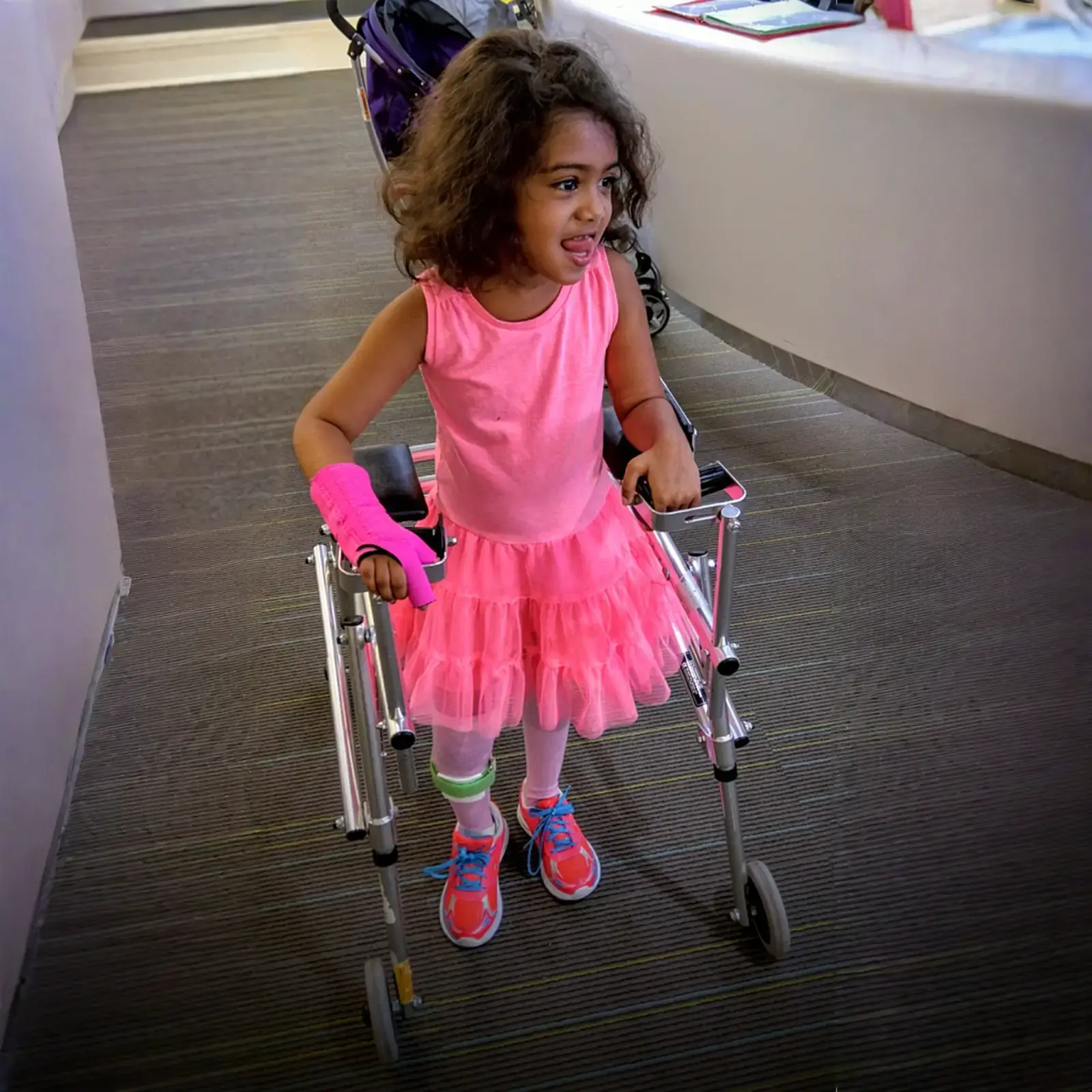
Assistive devices became part of her daily life, hand braces, electrical stimulation, night splints, and leg supports. They weren’t optional; they were what made it possible for her to return to school, play with friends, and fully participate in life again.
For six intense weeks, Aditi lived at Spaulding Rehabilitation Hospital in Boston, working through daily physical and occupational therapy. Each session pushed her to rebuild what she had lost: core strength to sit up, balance to stand, weight-bearing to walk, and countless exercises to help her right hand move again. When she finally left inpatient rehab, the work didn’t stop. She continued outpatient therapy for years fitting it around school, appointments, and scans. Even now, more than a decade later, therapy remains a part of her life.
Assistive devices became part of her daily life, hand braces, electrical stimulation, night splints, and leg supports. They weren’t optional; they were what made it possible for her to return to school, play with friends, and fully participate in life again.
For six intense weeks, Aditi lived at Spaulding Rehabilitation Hospital in Boston, working through daily physical and occupational therapy. Each session pushed her to rebuild what she had lost: core strength to sit up, balance to stand, weight-bearing to walk, and countless exercises to help her right hand move again. When she finally left inpatient rehab, the work didn’t stop. She continued outpatient therapy for years fitting it around school, appointments, and scans. Even now, more than a decade later, therapy remains a part of her life.
In January 2024, Aditi faced limb-lengthening surgery to address the impact of her condition on her leg. The procedure meant starting over once more. She spent months in a wheelchair, followed by months on crutches. And again, she learned how to navigate the world differently how to move, balance, and adapt with a changing body.
In January 2024, Aditi faced limb-lengthening surgery to address the impact of her condition on her leg. The procedure meant starting over once more. She spent months in a wheelchair, followed by months on crutches. And again, she learned how to navigate the world differently how to move, balance, and adapt with a changing body.
Through every setback, Aditi pushed forward with quiet determination. Her story is not defined by a diagnosis, but by her courage to keep trying relearning movement, rebuilding strength inch by inch, and never allowing her challenges to erase her hope.
That realization shaped her heart. After all she endured, Aditi wanted to help other kids rise, move, participate, and find hope. Her story is defined not by diagnosis, but by courage, relearning movement, rebuilding strength, and never letting challenges erase hope. Now, that courage drives her to light the path for others on the journey she knows so well.
Our story is one of resilience, courage, and an unshakeable fight to move again.
When she was just four years old, a small weakness in her right side caught a family friend’s attention. What seemed like something tiny led to tests, scans, and a diagnosis that changed everything: a pilocytic astrocytoma deep in her brain, affecting the very parts that control movement and coordination.
In an instant, Aditi’s world shifted from preschool routines to neurosurgeons, MRI machines, and a long, complex brain surgery. Although most of the tumor was removed, her recovery was only beginning. After surgery, her right side was extremely weak. She had to relearn everything how to sit without falling over, how to stand without wobbling, and how to take even one careful step. Her right hand lost strength and fine motor control, making it difficult to hold a toy, write, or grasp everyday objects.
Assistive devices became part of her daily life, hand braces, electrical stimulation, night splints, and leg supports. They weren’t optional; they were what made it possible for her to return to school, play with friends, and fully participate in life again.
For six intense weeks, Aditi lived at Spaulding Rehabilitation Hospital in Boston, working through daily physical and occupational therapy. Each session pushed her to rebuild what she had lost: core strength to sit up, balance to stand, weight-bearing to walk, and countless exercises to help her right hand move again. When she finally left inpatient rehab, the work didn’t stop. She continued outpatient therapy for years fitting it around school, appointments, and scans. Even now, more than a decade later, therapy remains a part of her life.
Assistive devices became part of her daily life, hand braces, electrical stimulation, night splints, and leg supports. They weren’t optional; they were what made it possible for her to return to school, play with friends, and fully participate in life again.
For six intense weeks, Aditi lived at Spaulding Rehabilitation Hospital in Boston, working through daily physical and occupational therapy. Each session pushed her to rebuild what she had lost: core strength to sit up, balance to stand, weight-bearing to walk, and countless exercises to help her right hand move again. When she finally left inpatient rehab, the work didn’t stop. She continued outpatient therapy for years fitting it around school, appointments, and scans. Even now, more than a decade later, therapy remains a part of her life.
In January 2024, Aditi faced limb-lengthening surgery to address the impact of her condition on her leg. The procedure meant starting over once more. She spent months in a wheelchair, followed by months on crutches. And again, she learned how to navigate the world differently how to move, balance, and adapt with a changing body.
In January 2024, Aditi faced limb-lengthening surgery to address the impact of her condition on her leg. The procedure meant starting over once more. She spent months in a wheelchair, followed by months on crutches. And again, she learned how to navigate the world differently how to move, balance, and adapt with a changing body.
Through every setback, Aditi pushed forward with quiet determination. Her story is not defined by a diagnosis, but by her courage to keep trying relearning movement, rebuilding strength inch by inch, and never allowing her challenges to erase her hope.
That realization shaped her heart. After all she endured, Aditi wanted to help other kids rise, move, participate, and find hope. Her story is defined not by diagnosis, but by courage, relearning movement, rebuilding strength, and never letting challenges erase hope. Now, that courage drives her to light the path for others on the journey she knows so well.
Helping Children Move Toward Possibility
Helping Children Move Toward Possibility
Helping Children Move Toward Possibility
Helping Children Move Toward Possibility
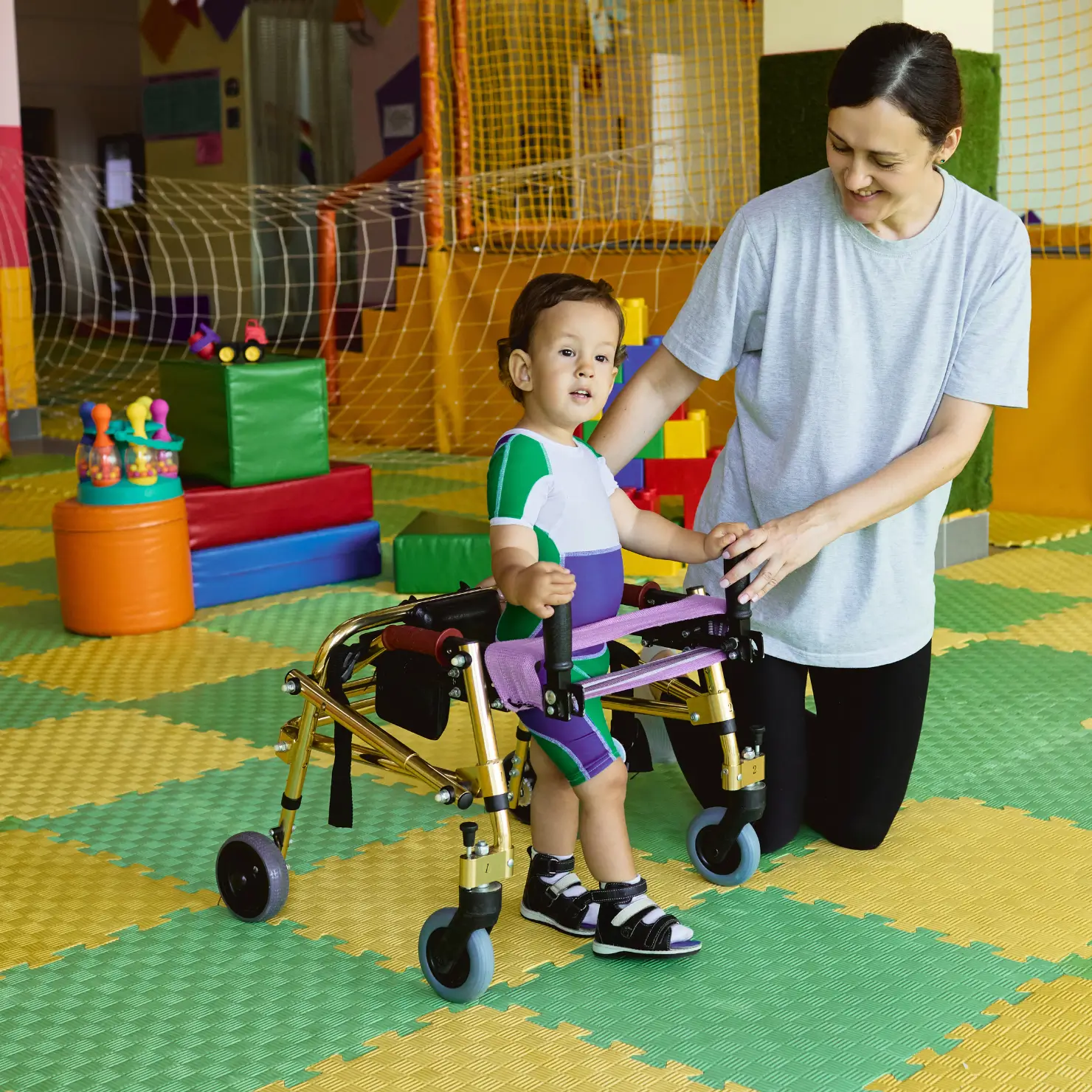
Our mission grew from a mother’s strength and a child’s courage. We understand what it means to search for answers, face uncertainty, and hold onto hope and those experiences guide everything we do.
More than equipment, we offer understanding. Our empathy comes from walking this path ourselves.
Our goal is simple:
To give every child the freedom to move, the courage to participate, and the sense of belonging they deserve.
Our mission grew from a mother’s strength and a child’s courage. We understand what it means to search for answers, face uncertainty, and hold onto hope and those experiences guide everything we do.
More than equipment, we offer understanding. Our empathy comes from walking this path ourselves.
Our goal is simple:
To give every child the freedom to move, the courage to participate, and the sense of belonging they deserve.
Our mission grew from a mother’s strength and a child’s courage. We understand what it means to search for answers, face uncertainty, and hold onto hope and those experiences guide everything we do.
More than equipment, we offer understanding. Our empathy comes from walking this path ourselves.
Our goal is simple:
To give every child the freedom to move, the courage to participate, and the sense of belonging they deserve.
Our mission grew from a mother’s strength and a child’s courage. We understand what it means to search for answers, face uncertainty, and hold onto hope and those experiences guide everything we do.
More than equipment, we offer understanding. Our empathy comes from walking this path ourselves.
Our goal is simple:
To give every child the freedom to move, the courage to participate, and the sense of belonging they deserve.
Our mission grew from a mother’s strength and a child’s courage. We understand what it means to search for answers, face uncertainty, and hold onto hope and those experiences guide everything we do.
More than equipment, we offer understanding. Our empathy comes from walking this path ourselves.
Our goal is simple:
To give every child the freedom to move, the courage to participate, and the sense of belonging they deserve.

Our Mission's Key Supporter
Our Mission's Key Supporter
Our Mission's Key Supporter
Our Mission's Key Supporter
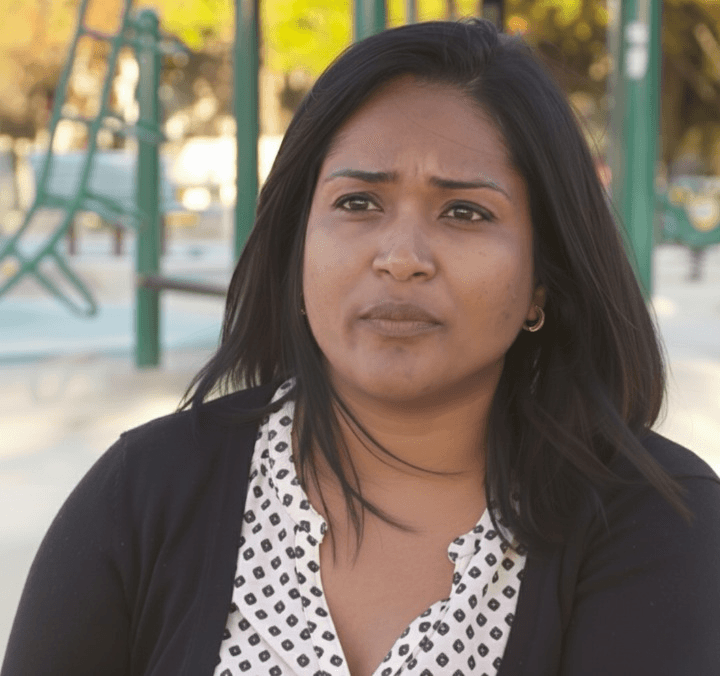
Swetha’s journey began when her daughter Aditi was diagnosed with a brain tumor at just four years old. Overnight, she stepped into a world of surgeries, rehab sessions, and hard decisions no parent is ever prepared for.
Along the way, she met families facing the same fear and uncertainty she once felt. Their stories mirrored her own, and she understood how overwhelming it can be to seek answers, advocate for a child, and navigate complex medical systems.
Out of that experience grew her purpose: to guide parents with empathy, clarity, and the strength she once needed herself. Swetha turned her family’s hardest moments into a light for others helping children and families find hope and support when they need it most.
Swetha’s journey began when her daughter Aditi was diagnosed with a brain tumor at just four years old. Overnight, she stepped into a world of surgeries, rehab sessions, and hard decisions no parent is ever prepared for.
Along the way, she met families facing the same fear and uncertainty she once felt. Their stories mirrored her own, and she understood how overwhelming it can be to seek answers, advocate for a child, and navigate complex medical systems.
Out of that experience grew her purpose: to guide parents with empathy, clarity, and the strength she once needed herself. Swetha turned her family’s hardest moments into a light for others helping children and families find hope and support when they need it most.
Swetha’s journey began when her daughter Aditi was diagnosed with a brain tumor at just four years old. Overnight, she stepped into a world of surgeries, rehab sessions, and hard decisions no parent is ever prepared for.
Along the way, she met families facing the same fear and uncertainty she once felt. Their stories mirrored her own, and she understood how overwhelming it can be to seek answers, advocate for a child, and navigate complex medical systems.
Out of that experience grew her purpose: to guide parents with empathy, clarity, and the strength she once needed herself. Swetha turned her family’s hardest moments into a light for others helping children and families find hope and support when they need it most.
Swetha’s journey began when her daughter Aditi was diagnosed with a brain tumor at just four years old. Overnight, she stepped into a world of surgeries, rehab sessions, and hard decisions no parent is ever prepared for.
Along the way, she met families facing the same fear and uncertainty she once felt. Their stories mirrored her own, and she understood how overwhelming it can be to seek answers, advocate for a child, and navigate complex medical systems.
Out of that experience grew her purpose: to guide parents with empathy, clarity, and the strength she once needed herself. Swetha turned her family’s hardest moments into a light for others helping children and families find hope and support when they need it most.
Swetha’s journey began when her daughter Aditi was diagnosed with a brain tumor at just four years old. Overnight, she stepped into a world of surgeries, rehab sessions, and hard decisions no parent is ever prepared for.
Along the way, she met families facing the same fear and uncertainty she once felt. Their stories mirrored her own, and she understood how overwhelming it can be to seek answers, advocate for a child, and navigate complex medical systems.
Out of that experience grew her purpose: to guide parents with empathy, clarity, and the strength she once needed herself. Swetha turned her family’s hardest moments into a light for others helping children and families find hope and support when they need it most.

Together, We Can Move Children Toward Brighter Horizons
Assistive Care
Breaking mobility and access barriers for children
Programs built for progress
driving meaningful change
in children’s lives
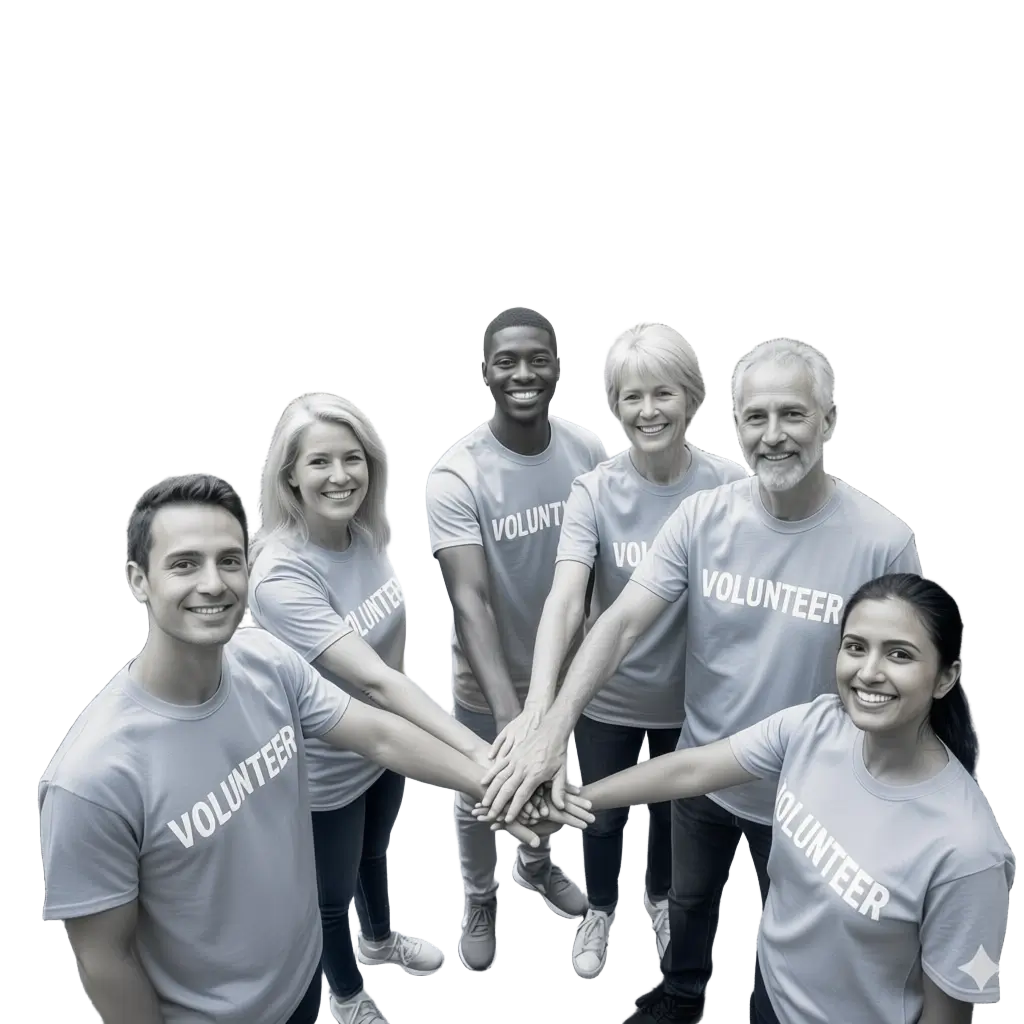
Together, We Can Move Children Toward Brighter Horizons
Assistive Care
Breaking mobility and access barriers for children
Programs built for progress
driving meaningful change
in children’s lives
Together, We Can Move Children Toward Brighter Horizons
Assistive Care
Breaking mobility and access barriers for children
Programs built for progress
driving meaningful change
in children’s lives